Tactical Seat Cover Maintenance: How to Clean & Care for Your Covers
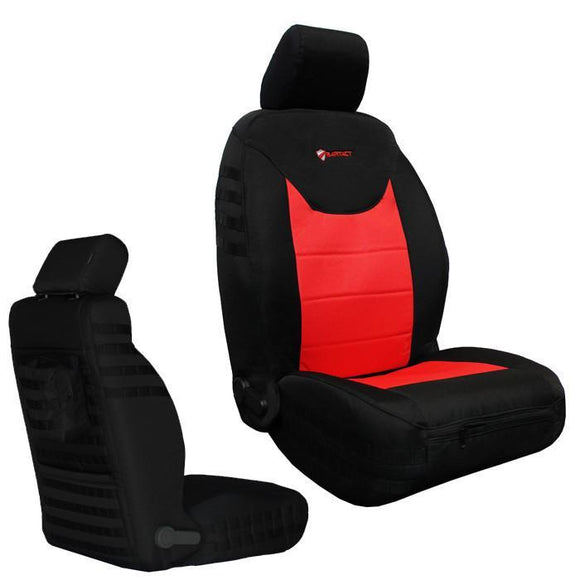
Tactical seat covers are built to handle abuse — mud, dog hair, coffee spills, trail dust, and everything a work truck or trail rig throws at them. But "tough" doesn't mean "maintenance-free." Even Cordura nylon and UV-protected polyester perform better and last longer when you take care of them correctly.
The good news: maintaining tactical covers is straightforward. You don't need special products or a detailing background. You just need to know what your covers are made of and what each material responds well to — and what to avoid.
Why Material Matters for Cleaning
Different seat cover materials react differently to heat, chemicals, and agitation. A cleaning approach that works great on neoprene could damage Cordura's DWR coating. Bleach that whitens a polyester cover might weaken the waterproof polyurethane backing behind it. Before you clean anything, know what you're working with.
Here's how the most common tactical seat cover materials break down:
| Material | Safe to Machine Wash? | Heat Tolerance | Key Concern |
|---|---|---|---|
| UV-protected polyester (w/ PU backing) | Cold gentle cycle — check manufacturer | Low — no dryer heat | Heat degrades waterproof PU backing |
| 1000D Cordura nylon | Cold gentle cycle — check manufacturer | Low | Heat and harsh detergents strip DWR finish |
| Neoprene | Hand wash preferred | Very low | Heat warps and hardens the rubber |
| 600D polyester (budget covers) | Usually safe on cold gentle | Low | No backing to protect — stains soak through faster |
| Canvas / duck cloth | Cold gentle cycle | Moderate | Can shrink if washed hot |
Routine Cleaning (Every 2-4 Weeks)
Most tactical seat covers don't need deep cleaning often. For regular maintenance — dust, light dirt, dog hair — a few minutes every couple of weeks keeps them in solid shape.
- Vacuum first. Use a brush attachment to pull out crumbs, sand, dog hair, and loose debris from seams and MOLLE webbing. This is the single most important maintenance step. Grit that stays embedded in fabric acts like sandpaper over time, wearing down fibers from the inside.
- Wipe down with a damp cloth. A microfiber cloth with warm water handles surface dust and light stains. Wipe in the direction of the fabric weave, not against it.
- Dry with a clean towel. Pat dry — don't wring or scrub. Let air-dry with the windows cracked if possible.
For MOLLE panels specifically: debris loves to collect behind the PALS webbing straps. Run the vacuum nozzle along each row. If you regularly attach and remove pouches, check that the webbing hasn't trapped any grit that could abrade the fabric underneath.
Deep Cleaning (Every 3-6 Months)
If your covers see heavy use — trail mud, job site dust, hunting season, wet dogs — a deeper clean every few months keeps them performing. Here's the process:
Option A: Clean on the Seat (Preferred)
This is the easier method and avoids the hassle of removing and reinstalling custom-fit covers.
- Vacuum thoroughly — all surfaces, seams, and MOLLE webbing.
- Mix mild soap and water. A few drops of pH-neutral dish soap (Dawn works) or a dedicated fabric cleaner like Simple Green in a spray bottle of warm water. Avoid anything with bleach, ammonia, or harsh solvents.
- Spray and scrub lightly. Apply the solution to one section at a time. Use a soft-bristle brush (an old toothbrush works for seams) and work the soap in with gentle circular motions.
- Wipe clean. Damp microfiber cloth to remove soap residue. Go over the area twice — soap left behind attracts more dirt.
- Air dry. Leave windows open or run the vehicle's A/C with recirculate off. Don't use a heat gun or hair dryer on the covers.
Option B: Remove and Wash
For covers that are seriously dirty — caked mud, mildew, strong odors — removing them for a full wash is sometimes necessary. Check your manufacturer's care tag first. General guidance:
- Remove covers carefully. Note which straps and hooks go where — take a photo before you pull anything off. Custom-fit covers have specific attachment points that are easy to mix up on reinstall.
- Pre-treat stains. Spray problem areas with a mild stain remover and let sit for 10-15 minutes. No bleach.
- Machine wash on cold, gentle cycle. Use a mild, fragrance-free detergent. Wash covers separately — not with towels, jeans, or anything with zippers or Velcro that could snag fabric.
- No dryer. Hang dry or lay flat. Heat is the enemy of PU backing, Cordura DWR coatings, and neoprene. Even "low heat" in a dryer is usually too much.
- Reinstall when fully dry. Putting covers back on while damp can lead to mildew forming between the cover and the OEM seat, especially in humid climates.
Stain-Specific Solutions
Not every stain responds to the same treatment. Here's what works for the most common offenders:
Mud and Trail Dirt
Let it dry completely. Dried mud brushes or vacuums off far easier than wet mud smears. Once dry, brush off the bulk with a stiff-bristle brush, then vacuum the residue. Spot clean any remaining stain with mild soap and water.
Coffee and Drinks
Blot immediately — don't rub, which spreads the stain and pushes it deeper into the fabric. Cold water first to dilute. Then mild soap and a damp cloth. On covers with waterproof PU backing, the liquid usually beads on the surface if you catch it quickly.
Grease and Oil
Sprinkle baking soda or cornstarch on the stain and let it sit for 15-20 minutes to absorb the oil. Brush off, then spot-clean with a mild degreaser (Simple Green diluted 10:1 works). Rinse thoroughly — degreaser residue left on fabric can attract more dirt.
Blood (Hunting Season)
Cold water only — hot water sets blood stains permanently by denaturing the proteins. Blot with cold water immediately, then apply hydrogen peroxide (3%) directly to the stain. Let it bubble for a few minutes, blot, repeat if needed. This works on both polyester and Cordura without damaging the fabric.
Dog Smell / General Odor
Mix equal parts white vinegar and water in a spray bottle. Lightly mist the covers and let air dry. Vinegar neutralizes odor at the molecular level rather than masking it. For persistent smells, sprinkle baking soda on the covers, let sit for an hour, then vacuum.
Mildew
If you sealed up a truck with damp covers and mildew developed, mix a solution of 1 cup white vinegar per gallon of warm water. Scrub affected areas with a soft brush, rinse, and dry thoroughly in direct sun if possible — UV light naturally kills mildew spores. Don't use bleach on colored tactical covers.
What NOT to Do
A few common mistakes that damage tactical seat covers faster than trail use ever will:
- Don't use bleach. Bleach weakens nylon and polyester fibers, strips UV-protective coatings, and degrades PU backing. Even "color-safe" bleach is too harsh for most tactical fabrics.
- Don't use a pressure washer. Seems logical for tough covers, but high-pressure water can delaminate the PU backing from the face fabric and force water into the foam layer. Garden hose pressure is fine. Pressure washer is not.
- Don't machine dry on any heat setting. Heat degrades waterproof PU backing, shrinks neoprene, and strips the DWR finish from Cordura. Air dry only.
- Don't dry clean. Dry cleaning solvents (perchloroethylene) dissolve PU backing and can damage nylon and polyester fiber coatings. Never dry clean tactical seat covers.
- Don't scrub aggressively with abrasive pads. Scotch-Brite pads and similar abrasives scratch the surface of Cordura and polyester, creating rough areas that collect dirt faster. Use soft-bristle brushes only.
- Don't leave covers soaking for hours. Extended water exposure (beyond a wash cycle) can saturate foam layers in covers with built-in padding and create conditions for mildew.
Caring for MOLLE Panels & Accessories
If you run MOLLE pouches, holsters, or accessories on your tactical covers, the attachment points need attention too:
- Remove pouches before washing. MOLLE accessories usually have different material compositions and hardware (snaps, buckles) that can damage the cover fabric in a washing machine.
- Inspect webbing for wear. PALS webbing that sees regular pouch attachment and removal will show wear at the fold points first. Check for fraying every few months. Genuine bar-tack stitching (like Bartact uses) holds up far longer than standard box-stitch webbing.
- Clean webbing separately. A toothbrush with mild soap along the webbing rows removes embedded grime. Rinse and air dry.
- Check for hardware damage. Metal snaps and clips on MOLLE accessories can scratch cover fabric if they're corroded or bent. Replace worn hardware before it damages your covers.
Seasonal Maintenance Tips
Summer
UV exposure and heat are the primary threats. If your truck sits in direct sun regularly, clean covers more frequently — heat accelerates the breakdown of any contaminants sitting on the fabric surface. Consider a UV protectant spray rated for synthetic fabrics (303 Aerospace Protectant is widely recommended for polyester and nylon). Apply sparingly and buff with a microfiber cloth.
Winter
Road salt, slush, and wet boots track corrosive chloride onto your covers. Wipe down salt residue promptly — if left to dry, salt crystals embed in fabric and attract moisture, accelerating wear. A quick damp-cloth wipe after every salty day goes a long way.
Hunting Season / Heavy Use Periods
Deep clean at the end of the season, not just when you notice a stain. Blood, animal fats, and organic material that looks like it wiped off clean may still be present in the fabric at a microscopic level, producing odors over time. A post-season deep clean resets the covers for the next year.
Material-Specific Quick Reference
| Material | Clean With | Avoid | Dry Method |
|---|---|---|---|
| UV-protected polyester | Mild soap, warm water, soft brush | Bleach, heat, pressure washer | Air dry only |
| 1000D Cordura nylon | Mild soap, lukewarm water, soft brush | Bleach, harsh detergents, heat | Air dry — reapply DWR spray if needed |
| Neoprene | Mild soap, cool water, hand wash | Machine wash (unless spec'd), all heat, solvents | Lay flat, air dry in shade |
| 600D polyester | Mild soap, cold/warm water | Bleach, high heat | Air dry |
| Canvas / duck cloth | Mild soap, cold water, brush | Hot water (shrinks), fabric softener | Air dry or very low tumble |
How Often Should You Clean Your Tactical Covers?
There's no single right answer — it depends on use. Here's a reasonable guideline:
- Daily driver, light use: Vacuum every 2 weeks, wipe down monthly, deep clean every 6 months.
- Work truck / job site: Vacuum weekly, spot clean as needed, deep clean every 3 months.
- Trail rig / off-road: Vacuum and wipe after every trail day, deep clean every 2-3 months or end of season.
- Hunting / dog truck: Wipe down after every outing, deep clean monthly during active season.
The Bottom Line
Tactical seat covers — especially quality options with UV-protected polyester, waterproof PU backing, and optional 1000D Cordura nylon like Bartact's Tactical line — are engineered to take a beating. But basic maintenance extends their lifespan significantly. Vacuum regularly, clean with mild soap and water, never use heat to dry, and pay extra attention to MOLLE webbing if you run pouches.
The covers protect your seats. A little care protects the covers.
Related reading: UV Damage and Your Seats: Why Material Matters · Neoprene vs. Cordura: Which Material is Right for You? · Are Tactical Seat Covers Worth It?
Disclosure: TacticalSeats.com contains affiliate links. We may earn a commission on qualifying purchases at no extra cost to you.