Seat Cover Warranty Claims & Protection Plans: What's Actually Covered? (2026)
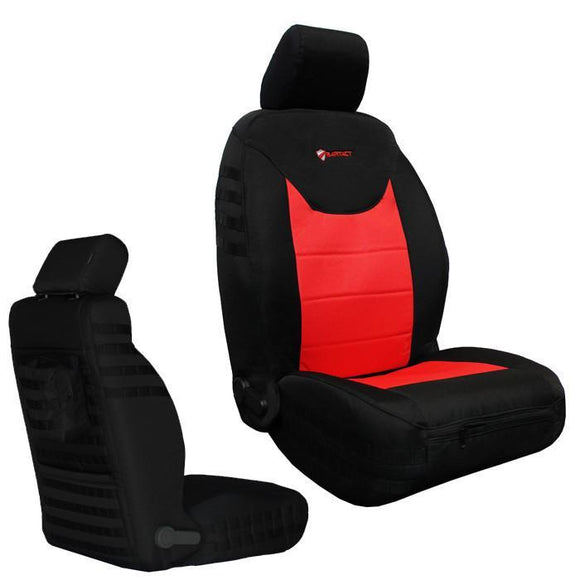
Every seat cover comes with a warranty. What it actually covers is a different question entirely. A standard 1-year manufacturer warranty might sound protective until you read the fine print and realize it doesn't cover normal wear, sun damage, or the exact thing that just broke.
This guide walks through what's real, what's marketing, and whether extended protection plans are worth the cost.
Standard Manufacturer Warranties: The Reality
What's Typically Covered
- Seam separation (stitching fails under normal use)
- Material defects (holes, tears from manufacturing defects)
- Hardware failure (broken snaps, bent hooks)
- Color bleeding or dyeing problems (only during first wash)
What's NOT Covered (The Long List)
- Normal wear and fading from UV exposure
- Damage from pet nails, claws, or accidents
- Stains (including stubborn mud or blood stains)
- Improper installation or "user error"
- Damage from chemical spills, fuel, or solvents
- Modifications or repairs attempted by the customer
- Damage from extreme heat or cold
- Misuse of the product (sitting on with full weight, standing on cover)
- Cosmetic damage (scratches, small tears that don't affect function)
- Rips or tears from sharp objects (unless proven defective)
The Key Language: "Normal Use"
Warranties cover defects under "normal use." What's normal? The manufacturer decides. A hunting dog cover under field work might void the warranty because that's not considered "normal use" — it's extreme use. A truck seat cover in a bed liner is normal. A truck seat cover being used as a tarp in a field is not normal.
Brand Warranty Comparison
Bartact Warranty
- Coverage: Lifetime warranty on stitching and seams
- What's covered: Seam separation, thread failure, structural defects
- What's not covered: Material wear, UV fading, pet damage, normal wear
- Claim process: Contact Bartact directly; they evaluate photographic evidence
- Reality: Bartact honors warranty claims fairly. If seams fail prematurely, they cover replacement. If material fades after 5 years, you don't get a replacement.
- ROI: High. The lifetime stitching warranty is meaningful because Bartact seams rarely fail.
Smittybilt Warranty
- Coverage: 3-year limited warranty on manufacturing defects
- What's covered: Seam failure, material defects, hardware failure
- What's not covered: Everything else — wear, fading, stains, pet damage
- Claim process: Requires proof of purchase and photographic evidence
- Reality: Smittybilt is straightforward. If your cover fails at year 2 from a manufacturing defect, they cover it. If it fails at year 4 from normal wear, they don't.
- ROI: Moderate. 3 years is decent coverage for budget covers (typical lifespan 3–5 years).
Budget Brand Warranties (Amazon Brands, EKR, etc.)
- Coverage: 1-year limited warranty
- What's covered: Manufacturing defects only
- What's not covered: Almost everything
- Claim process: Often requires return shipping; replacements take weeks
- Reality: Budget warranties are marketing. They cover obvious defects (cover arrives with a hole). They don't cover anything else.
- ROI: Low. By the time a real problem emerges (year 2+), warranty has expired.
Extended Protection Plans: Are They Worth It?
What Extended Plans Typically Offer
- Extension of warranty period (3 years → 5 years, or 1 year → 3 years)
- Coverage of some accidental damage (torn seams, rips)
- Sometimes: Stain protection or wear protection
- Cost: $20–$60 depending on cover price and plan length
The Math on Extended Plans
Example: Bartact covers with lifetime seam warranty
- Cover cost: $650
- Extended plan: $40 (adds accidental damage coverage for 5 years)
- Likelihood of accidental damage claim: 15–20% during 5 years (realistic for daily-use covers)
- Claim value if needed: $650 replacement cover
- Expected value: $650 × 0.18 = $117
- Plan cost: $40
- ROI: +$77 if you need it; -$40 if you don't
When Extended Plans Make Sense
- You have pets that might damage covers
- You use the truck in work environments (construction, farming)
- Off-road or overlanding use where punctures are likely
- The cover is expensive ($500+) and replacement cost matters
When They Don't Make Sense
- Daily commute truck, no pets
- Budget covers (extended plan often costs 20–30% of cover price — just replace it)
- You don't intend to keep the truck past the plan period
Real-World Warranty Claim Scenarios
Scenario 1: Seam Separation at Year 2
Your Bartact cover's driver-side seam starts separating despite normal use.
- Warranty coverage: Yes. Seam separation under normal use is covered.
- Claim process: Photo evidence, contact Bartact, they evaluate. Usually approved.
- Outcome: Replacement cover or repair kit shipped at no cost.
- Timeline: 1–2 weeks to resolution.
Scenario 2: Pet Damage (Hole Torn by Dog Nails)
Your cover has a small hole torn by your dog's nails.
- Standard warranty: Not covered. Pet damage is excluded.
- With extended accidental damage plan: Often covered, depending on plan terms.
- Claim process: Photo evidence showing the damage. Plan administrator evaluates.
- Outcome: Replacement cover or partial credit (usually capped at 50% value)
- Timeline: 2–4 weeks.
Scenario 3: UV Fading at Year 5
Your cover has faded significantly from sun exposure.
- Warranty coverage: Not covered. UV fading is normal wear.
- Outcome: No warranty claim. You buy new covers or accept the faded look.
- Prevention: Use a sunshade when parked to reduce UV exposure.
Scenario 4: Manufacturing Defect (Dye Bleeding on First Wash)
Covers bleed dye onto your seats after first machine wash.
- Warranty coverage: Yes. Dye bleeding is a manufacturing defect, covered on first wash.
- Claim process: Photo evidence (wet covers showing bleed), proof of purchase, warranty claim form.
- Outcome: Replacement covers.
- Timeline: 1 week to approval, shipping takes another week.
How to Make a Warranty Claim Successfully
Step 1: Document the Problem Immediately
- Take clear photos showing the defect
- Include close-ups and wide shots showing context
- Capture any relevant details (installation, condition of truck, etc.)
- Record the date when you discovered the problem
Step 2: Locate Your Proof of Purchase
- Original receipt or order confirmation
- Amazon order number if purchased online
- Credit card statement showing purchase
Step 3: Review the Warranty Terms
- Read exactly what's covered and what's excluded
- Check if your issue falls under covered categories
- Note any time limits (most warranties have a 1–3 year window)
Step 4: Contact the Manufacturer or Retailer
- Find warranty contact information on the product website
- Email is preferable (creates a documented record)
- Include photos, proof of purchase, and description of the problem
- Be factual and specific about when and how the problem emerged
Step 5: Follow Up If Needed
- Manufacturers typically respond within 5–10 business days
- If no response after 2 weeks, follow up with a second email or phone call
- Keep all correspondence for your records
Pro Tip: Avoid Voiding the Warranty
- Don't modify the covers (cutting holes, adding attachments)
- Don't machine wash if the manufacturer says not to
- Don't use covers for purposes beyond their intended use (don't use truck seat covers as a tarp)
- Keep installation proper and don't force components
Warranty Comparison Table
| Brand | Coverage | Seams | Wear | Pet Damage | Stains | Claim Process | ROI |
|---|---|---|---|---|---|---|---|
| Bartact | Lifetime | Yes | No | No | No | Direct to Bartact, fair | High |
| Smittybilt | 3 years | Yes | No | No | No | Through retailer, straightforward | Moderate |
| Rough Country | 1 year | Yes | No | No | No | Direct to Rough Country | Low–Moderate |
| Budget Brands | 1 year | Yes | No | No | No | Return required, slow | Low |
The Real Protection: Maintenance, Not Warranties
The best protection isn't a warranty — it's actually using the covers correctly:
- Machine wash properly: Gentle cycle, cold water, mild detergent. Follow instructions.
- Air dry: Sun drying is ideal. Avoid heat dry.
- Inspect regularly: Catch small problems before they become warranty claims.
- Maintain installation: Straps and hooks stay tight. Covers don't migrate.
- Protect from UV: Use a sunshade when parked. UV exposure is the #1 cause of cover degradation.
A well-maintained cover rarely needs warranty service. A neglected cover might fail even under warranty because the manufacturer can argue improper care voided coverage.
Final Word: Choose Coverage Based on Use Case
For daily commute trucks: Don't pay extra for extended plans. Standard manufacturer warranty covers real defects.
For work trucks, overlanding, or pet transportation: Extended accidental damage coverage makes sense. The extra $30–$50 is cheap insurance against the $500–$800 replacement cost.
For premium covers (Bartact): The lifetime seam warranty is legitimate and valuable. You don't need extended plans on Bartact because the seam warranty is already comprehensive.
For budget covers: Don't buy extended plans. Just replace the cover in 3–5 years as planned. The plan costs almost as much as buying a replacement.
Get the right covers for your truck.
Find Your Seat Covers & Warranty Info →