Best Seat Covers for RVs & Camper Vans (2026 Guide)
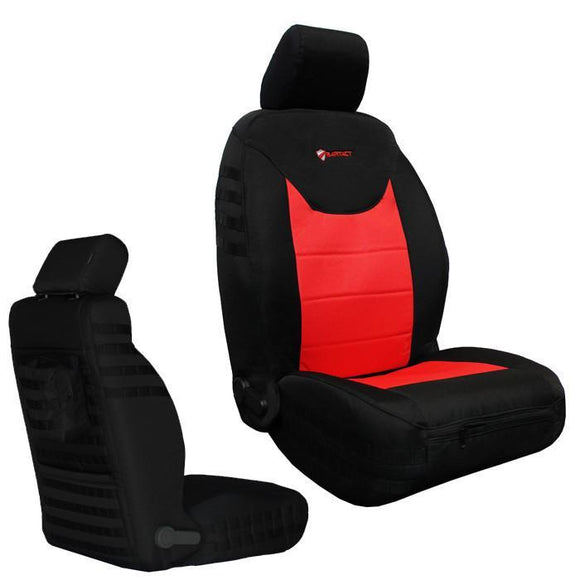
RV and camper van seats live in a different world than truck seats. They're occupied 8+ hours per day during trips, exposed to spills, pets, kids, and the general chaos of mobile living. The seats take continuous pressure, frequent cleaning, and year-round environmental stress. A truck seat cover might survive two years on a commuter truck. An RV seat cover needs to survive 10+ years of constant use while staying comfortable, clean, and aesthetically acceptable in a living space.
This guide covers what matters for RV and camper van seating: comfort for long-term sitting, durability for high-use environments, cleanability, and the specific challenges of motorhome life.
Why RV Seat Covers Are Different
The Use Case Gap
An RV driver sits in the captain's chair 2–4 hours per travel day, plus additional sitting during meals and evening relaxation. That's 30–40 hours per week of continuous seating pressure. A truck driver commutes 1–2 hours per day.
This difference changes the engineering requirements:
- Comfort becomes critical: A scratchy or thin seat cover that's fine for a 30-minute commute becomes torture after 4 hours of driving. RV covers need cushioning and ergonomic support.
- Cleanability is non-negotiable: Spills, pet accidents, and stains happen daily in an RV. Seat covers must be machine washable or easily wipeable.
- Durability requirements are brutal: High-use environments mean tears, punctures, and wear that would destroy budget covers in a season.
- Aesthetics matter more: Truck owners care about durability first. RV owners are living in their seats — they need to look decent for 10+ years.
- Pet protection is standard: Most RV owners travel with pets. Seat covers are pet protection first, aesthetics second.
#1 — Neoprene Seat Covers (Best for RVs)
Why Neoprene Dominates RV Use
Neoprene is the de facto standard for RV seat covers, and for good reason:
- Material: Closed-cell neoprene foam with polyester backing
- Waterproof: Genuine waterproof — spills don't penetrate to factory seats
- Machine washable: Throw covers in the washer on gentle cycle, gentle soap, cold water. Dry in the sun.
- Comfort: Neoprene has built-in cushioning. It's softer and more comfortable than tactical polyester for long-term sitting.
- Easy cleanup: Pet accidents wipe clean with paper towels. Daily spills rinse out.
- Durability: Quality neoprene handles 10+ years of RV-level use without falling apart.
- Price: $150–$300 for a captain's chair pair, depending on vehicle and quality
Why Neoprene Works for RVs But Not Trucks
Truck owners prioritize durability and ruggedness — they want tactical covers that survive rock crawling and equipment stacking. RV owners prioritize comfort, washability, and daily livability. Neoprene delivers on those RV requirements perfectly.
Neoprene's one weakness — puncture sensitivity — doesn't matter in an RV. There's no sharp equipment stacking on RV captain's chairs. The material lasts.
Neoprene RV Seat Covers on Amazon →
#2 — Custom-Fit Leatherette Covers (Premium RV Option)
Best for Extended-Stay RVers Who Want Premium Appearance
Leatherette (PU leather) covers are more expensive but deliver a premium aesthetic that matters if you're living in the RV full-time:
- Material: PU leatherette with memory foam padding
- Appearance: Looks professional and upscale compared to neoprene
- Comfort: Memory foam provides excellent support for long drives
- Cleaning: Wipe-clean with a damp cloth. No machine washing required.
- Durability: 7–10 years with proper care; leather conditioning maintains suppleness
- Price: $300–$500 for a captain's chair pair
- Caveat: Leatherette eventually cracks under UV exposure (if RV sits in sun). Not ideal for RVs parked outside regularly.
Leatherette makes sense if your RV is garaged or covered when not in use. If it's parked outside regularly, the UV exposure will eventually damage the material.
Leatherette RV Seat Covers on Amazon →
#3 — Poly-Cotton Blend Covers (Budget RV Option)
Best for Short-Term RVers or Budget-Conscious Owners
Poly-cotton blends are cheaper than neoprene or leatherette but less durable:
- Material: 65% polyester / 35% cotton blend or similar
- Price: $80–$150 for a captain's chair pair
- Cleaning: Machine washable on gentle cycle
- Durability: 3–5 years with heavy use; fades and wears faster than neoprene
- Comfort: Moderate — less cushioned than neoprene or leatherette
- Water resistance: Water-resistant but not waterproof; spills need immediate attention
Poly-cotton is the entry point for RV owners who want to experiment before committing to premium covers. Use it for one or two seasons, see how you actually use the RV, then upgrade to neoprene or leatherette.
Poly-Cotton RV Seat Covers on Amazon →
RV-Specific Features That Matter
1. Machine Washability
This is non-negotiable for RVs. Pet accidents, spilled coffee, and general stains happen constantly. Your seat covers must be machine washable without degradation.
Neoprene and poly-cotton are both machine washable. Leatherette is not — it requires hand-washing or wipe-cleaning only.
2. Padding and Cushioning
RV drivers sit for hours at a time. Thin, non-padded covers become uncomfortable quickly. Look for covers with 5–10mm of cushioning built into the material or padding layer.
Neoprene and leatherette both have built-in padding. Basic poly-cotton covers often don't.
3. Headrest Support
Captain's chairs often have integrated headrests. Seat covers that include headrest panels are worth the extra cost — they provide ergonomic support for long drives.
4. Side Pocket/Storage Options
Some RV seat covers include small pockets for storing sunglasses, phone, or medications. This is convenience, not critical, but worth considering.
5. Easy Installation
RV owners often swap covers seasonally or for cleaning. Covers with simple hook-and-strap systems that don't require tools are preferable to those requiring complex fastening.
Pet-Friendly Considerations for RV Travelers
If You Travel With Dogs or Cats
RV travelers with pets need extra durability:
- Material choice: Neoprene is superior. It resists nail punctures better than leatherette, and accidents wash out completely.
- Color selection: Dark colors hide stains better than light colors. Black or dark grey is practical for pet travel.
- Washability: Machine-washable covers are essential. Hand-wipe cleaning won't keep up with pet-level mess.
- Anti-slip surface: Pets need grip. Smooth leatherette becomes slippery when wet. Textured neoprene stays grippy.
For serious pet travelers, neoprene is the only practical choice. Leatherette sounds nice until the first accident — then you realize you can't machine wash it.
Captain's Chair vs Dinette Seating
Captain's Chairs (Driver/Passenger Seats)
- Standard for RVs and camper vans
- Covers are typically sold as pairs
- Prices: $150–$500 for neoprene to leatherette
- Installation: Straps or hooks around seat frame
Dinette Seating (Dining Area)
- Often bench seating, different installation requirements
- Fewer specialized covers available — universal options are common
- Prices: $100–$300 for a dinette set
- Installation: Ties or elastic straps around bench frame
If you want matching protection for both captain's chairs and dinette seating, buying separate sets is often necessary. Few manufacturers make full-RV seat cover sets.
Maintenance and Long-Term Care
Weekly Cleaning (During Travel)
- Vacuum or brush off dirt and pet hair
- Spot-clean stains with a mild soap solution
- Air dry in the sun when possible
Monthly Deep Clean (If Neoprene)
- Remove covers completely
- Machine wash on gentle cycle with mild detergent
- Dry in the sun or low heat (not high heat — it degrades neoprene)
- Reinstall when completely dry
Seasonal Care
Before storing the RV for winter, ensure covers are completely clean and dry. Moisture trapped under covers creates mold during storage. If covers show wear (small holes, fraying seams), patch them before storage rather than leaving them to worsen.
Comparing RV Seat Cover Options
| Option | Price | Comfort | Washable | Durability | Best For |
|---|---|---|---|---|---|
| Neoprene | $150–$300 | Excellent | Machine wash | 10+ years | Most RV owners, pet travelers |
| Leatherette | $300–$500 | Excellent | Wipe clean | 7–10 years | Garaged RVs, full-time residents |
| Poly-Cotton | $80–$150 | Good | Machine wash | 3–5 years | Budget option, temporary covers |
| Basic Fabric | $50–$100 | Fair | Hand wash | 1–2 years | Not recommended for RV use |
The Clear Winner: Neoprene
For typical RV use — occasional travel, pet transportation, family trips — neoprene is the best value. It's durable, comfortable, washable, and reasonably priced. It handles the actual demands of RV life better than any other option.
RV Seat Cover Scenarios
Scenario 1: Weekend Camper (Occasional Use)
- Use case: 4–8 weekend trips per year, no pets
- Best choice: Poly-cotton covers ($100–$150)
- Why: Adequate for light use, budget-friendly, still comfortable
- Replacement cycle: Every 4–5 years
Scenario 2: Frequent Traveler With Pets
- Use case: Monthly trips, 2+ pets, high-use environment
- Best choice: Neoprene covers ($200–$300)
- Why: Durability for frequent use, machine washable for pet accidents, comfortable for long drives
- Replacement cycle: Every 8–10 years
Scenario 3: Full-Time RV Resident
- Use case: Continuous RV living, premium interior matters
- Best choice: Leatherette covers ($400–$500) with professional ceramic coating
- Why: Comfort during 8+ daily driving hours, premium appearance for full-time living space, professional maintenance
- Replacement cycle: Every 7–10 years
Final Word: Comfort First for RVs
RV seat covers are different from truck covers. You're not protecting seats for a 30-minute commute — you're choosing something you'll sit in for 30+ hours per week. Comfort, washability, and durability matter more than tactical features or MOLLE webbing.
Start with neoprene for most RV applications. Add leatherette if you want premium appearance and the RV is garaged. Avoid cheap fabric covers — they won't survive the moisture and stress of RV life.
The best seat covers are the ones you actually use, clean regularly, and maintain properly. Pick something comfortable, keep it clean, and it'll last the life of your RV.
Protect your RV seating.
Shop RV Seat Covers on Amazon →